Virtual staging a home that isn't built yet: what California's AB 723 and MLS rules mean for renderings
Since January 1, 2026, a California agent who advertises a digitally altered image of a property must say, on or next to the image, that it was altered, and link to the original, unaltered image (Business and Professions Code §10140.8, added by AB 723). The law does not mention renderings of homes that don't exist yet, so there is no "original photo" to link.
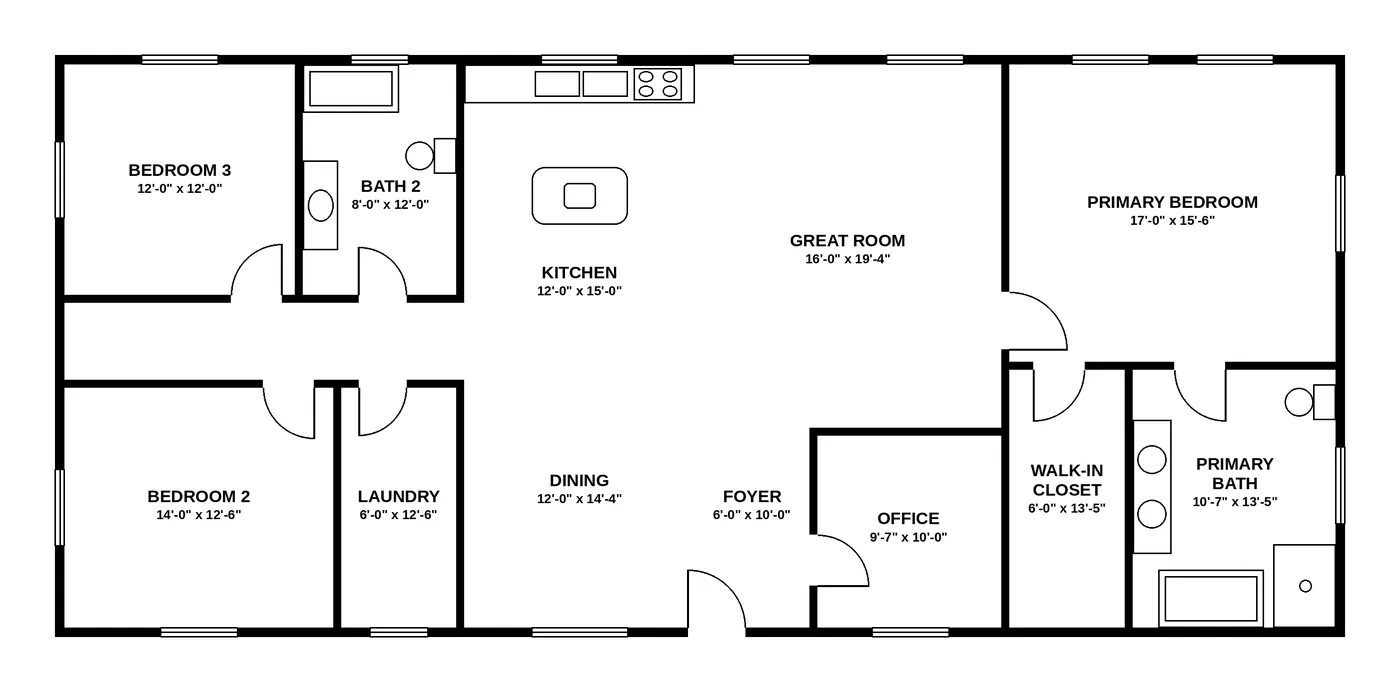

The safest reading is to label renderings plainly as renderings and link to the floor plan they were made from.
This article explains the rules as written. It is not legal advice; ask your broker or the California Department of Real Estate about a specific listing.
What does AB 723 actually require?
The law adds section 10140.8 to the California Business and Professions Code. Its core sentence:
"A real estate broker or salesperson, or person acting on their behalf, who includes a digitally altered image in an advertisement or other promotional material for the sale of real property shall include in the advertisement or promotional material a statement disclosing that the image has been altered and a link to a publicly accessible internet website, URL, or QR code that includes, and clearly identifies, the original, unaltered image." — §10140.8(a)(1)
Three practical points follow from the text:
- The statement must be "reasonably conspicuous" and "on or adjacent to the image", not buried in the listing description.
- It must tell the reader where the unaltered images are: a link, URL or QR code.
- If you post on a website you control, you must include the unaltered images in the posting itself or link to them (§10140.8(a)(2)).
A willful violation of the Real Estate Law is a crime, according to the bill's digest. The law was chaptered on October 10, 2025 (Chapter 497, Statutes of 2025) and has applied since January 1, 2026.
What counts as a "digitally altered image"?
The definition is broad. It covers an image "altered through the use of photo editing software or artificial intelligence to add, remove, or change elements in the image", and lists examples: "fixtures, furniture, appliances, flooring, walls, paint color, hardscape, landscape, facade, floor plans", plus views through windows and neighboring properties (§10140.8(b)(1)).
Ordinary photo editing is excluded: "lighting, sharpening, white balance, color correction, angle, straightening, cropping, exposure, or other common photo editing adjustments … that do not change the representation of the real property" (§10140.8(b)(2)).
So classic virtual staging of a listing photo (empty room → furnished room) is clearly covered: label it and show the empty-room photo next to it or behind a link.
Does AB 723 apply to renderings of a home that isn't built yet?
The text does not say. The words "rendering" and "new construction" do not appear in the section. The definition talks about an image that "has been altered", and the duty is to show "the original, unaltered image". Both assume that a source photograph exists. For a house that is still a floor plan, there is none.
Until the Department of Real Estate or a court says otherwise, we suggest treating a rendering the same way the law treats an altered photo, because the purpose of the law is the same: the buyer should not mistake a picture for the real property.
- Label it on or next to the image: "Rendering from the floor plan — not a photograph."
- Link to the source: the floor plan the image was made from. That is the closest thing to an "original" a pre-construction listing has.
- Keep furniture claims out of the caption. The furniture in a rendering is a suggestion; the walls, windows and doors are what the plan shows.
What does the MLS require on top of the law?
Your MLS can be stricter than the statute. CRMLS, California's largest MLS, updated its rule 11.5.2 for 2026. When a listing includes a digitally altered image, the subscriber must:
"(i) submit the original, unaltered version of the digitally altered image, (ii) ensure that the original, unaltered version is displayed in the listing immediately before or after the digitally altered image, and (iii) ensure that the digitally altered image is labeled as 'Photo Modified', 'Virtually Staged', 'Digitally Altered,' or 'AI Altered,' or some accurate substantially similar term in the text field section for the altered photo." — CRMLS, Digitally Altered Images FAQ, updated February 13, 2026
The CRMLS FAQ also says that "AI-altered images count as digitally altered images", that a watermark is not required (the label goes in the photo's text field), and that AI-generated landscaping images are not permitted. Changes to walls, windows, flooring or the floor plan itself are not allowed "unless the listed property will be improved to match the altered photo at time of close as part of the listed price".
For a pre-construction listing that last condition matters: the rendering should show the home as it will be delivered under the contract, with the same walls, windows and doors as the plan. A rendering that moves a window is a misrepresentation, label or not.
Other MLSs have their own wording. Check your MLS rules before you upload; neither the CRMLS FAQ nor its knowledge-base page (updated October 20, 2026) mentions renderings of unbuilt homes.
What about agents outside California?
The NAR Code of Ethics applies to every REALTOR®. Article 12 says REALTORS® "shall present a true picture in their advertising, marketing, and other representations", and Standard of Practice 12-10 prohibits "use of misleading images". There is no prescribed label, but the same practice keeps you safe: say it is a rendering, and show what it was made from.
| Altered listing photo (virtual staging) | Rendering of a home not yet built | |
|---|---|---|
| Is there an original image? | Yes, the photo | No, only the floor plan |
| AB 723 (California) | Label on or next to the image + link to the original | Not addressed in the text; label + link to the floor plan is the cautious reading |
| CRMLS 11.5.2 | Label in the photo text field + original shown immediately before or after | Not addressed; same label, plan as the reference |
| Walls, windows, floor plan changed? | Not allowed unless delivered that way at close | Must match the plan the buyer is contracting for |
| NAR SoP 12-10 | No misleading images | No misleading images |
How do we label Roomsee renderings?
Roomsee makes renderings from a floor plan, not from photos. Every image starts from a 3D model built from the walls, windows and doors we read on the plan. An automatic check compares each image with that model; an image that fails it is redone, and if it keeps failing we report the room as failed instead of delivering an image of a different room. That makes the plan a real reference: the buyer can put the plan next to the image and see that the room is the room on paper.
When you use our images in a listing:
- Put "Rendering from the floor plan — not a photograph" in the photo's caption or text field.
- Link to the floor plan the images were made from, for example on your album page or listing site.
- Say in the remarks that furniture and finishes are illustrations.
Sources
- California Business and Professions Code §10140.8, added by Stats. 2025, Ch. 497 (AB 723), effective January 1, 2026
- AB 723 bill text (chaptered October 10, 2025)
- CRMLS, 2026 Digitally Altered Images FAQs, updated February 13, 2026
- CRMLS knowledge base, California's altered image law FAQs
- NAR 2026 Code of Ethics and Standards of Practice, Article 12
FAQ
Is a rendering from a floor plan a "digitally altered image" under AB 723?
The statute does not say. It defines an altered image as one changed with editing software or AI, and requires a link to the "original, unaltered image", which a rendering of an unbuilt home doesn't have. Labeling it as a rendering and linking to the floor plan is the cautious approach.
Do I need a watermark on virtually staged photos in CRMLS?
No. The CRMLS FAQ says the label goes in the text field for the photo; a watermark is not required.
When did AB 723 take effect?
January 1, 2026. It was chaptered on October 10, 2025 as Chapter 497, Statutes of 2025; the official code text notes "Effective January 1, 2026."
Can a virtually staged image change walls or windows?
Under CRMLS rule 11.5.2, changes to walls, windows, flooring or the floor plan are not allowed unless the property will be delivered that way at close as part of the listed price.
Does the law apply to rentals?
The section speaks of advertising "for the sale of real property". Ask your broker before applying it to rentals either way.